


One week vegan sample diet + 10 misconceptions about plant-based nutrition
First, let’s clarify the basics of a vegan protein diet
In a vegan diet, careful planning of protein intake is essential for maintaining balanced nutrition. Proteins are composed of amino acids, nine of which are essential because the body cannot synthesize them, requiring their intake through food. While many plant-based protein sources are rich in protein, they often lack one or more essential amino acids in adequate proportions, classifying them as incomplete proteins. The key to overcoming this limitation lies in smart food combinations.
Role and sources of essential amino acids
Proteins are fundamental to the body’s structure and function, supporting tissues such as muscles, skin, and enzymes. Essential amino acids like leucine, isoleucine, valine (BCAAs), lysine, and methionine are critical for processes such as muscle building, tissue repair, and immune health.
Animal-based proteins (e.g., meat, eggs, dairy) naturally provide all nine essential amino acids, making them complete proteins. However, only a few plant sources, like quinoa, soy, and amaranth, offer the same advantage.
What is the importance of food combinations?
In a vegan diet, the absence of specific amino acids in some protein sources can be compensated by combining complementary foods. This is known as complementary protein intake, which ensures the essential amino acids are consumed throughout the day, even if not in a single meal.
Examples of effective combinations:
- Grains and legumes: Rice and beans (e.g., Mexican-style rice and beans) together form a complete protein.
- Seeds and legumes: Hummus with whole-grain pita, where chickpeas and sesame seeds complement each other.
- Grains and nuts: Oatmeal with almonds or walnuts provides lysine and tryptophan in balanced amounts.
Plant-based ingredients rich in protein
Below is a list of plant-based protein sources rich in essential amino acids but often requiring supplementation from other sources:
Food Item | Protein Content (per 100 g) | Essential Amino Acids |
|---|---|---|
Lentils | 9 g | High in lysine, requires methionine |
Chickpeas | 8 g | Rich in lysine, needs sulfur amino acids |
Tofu (Soy-based) | 8–12 g | Complete protein |
Quinoa | 4 g | Complete protein |
Chia Seeds | 17 g | Requires lysine supplementation |
The importance of biological value and digestibility
Plant-based proteins generally have a lower biological value (BV) – meaning the body’s efficiency in utilizing these proteins – compared to animal proteins. Therefore, vegan diets often recommend 10–15% higher protein intake to compensate for reduced digestibility.
Tips to enhance protein digestibility:
- Soaking: Soaking legumes, nuts, and seeds reduces anti-nutrients, improving absorption.
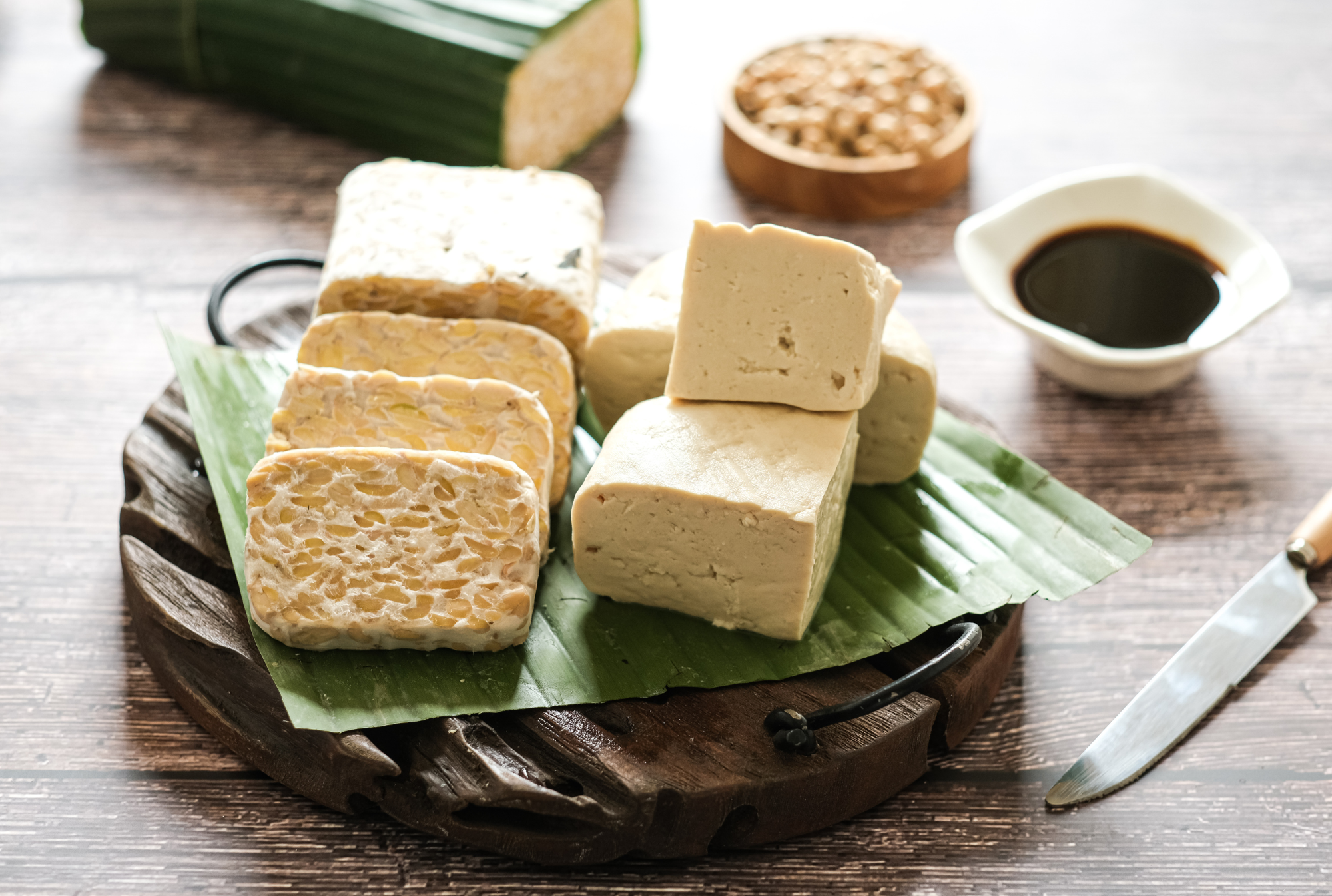
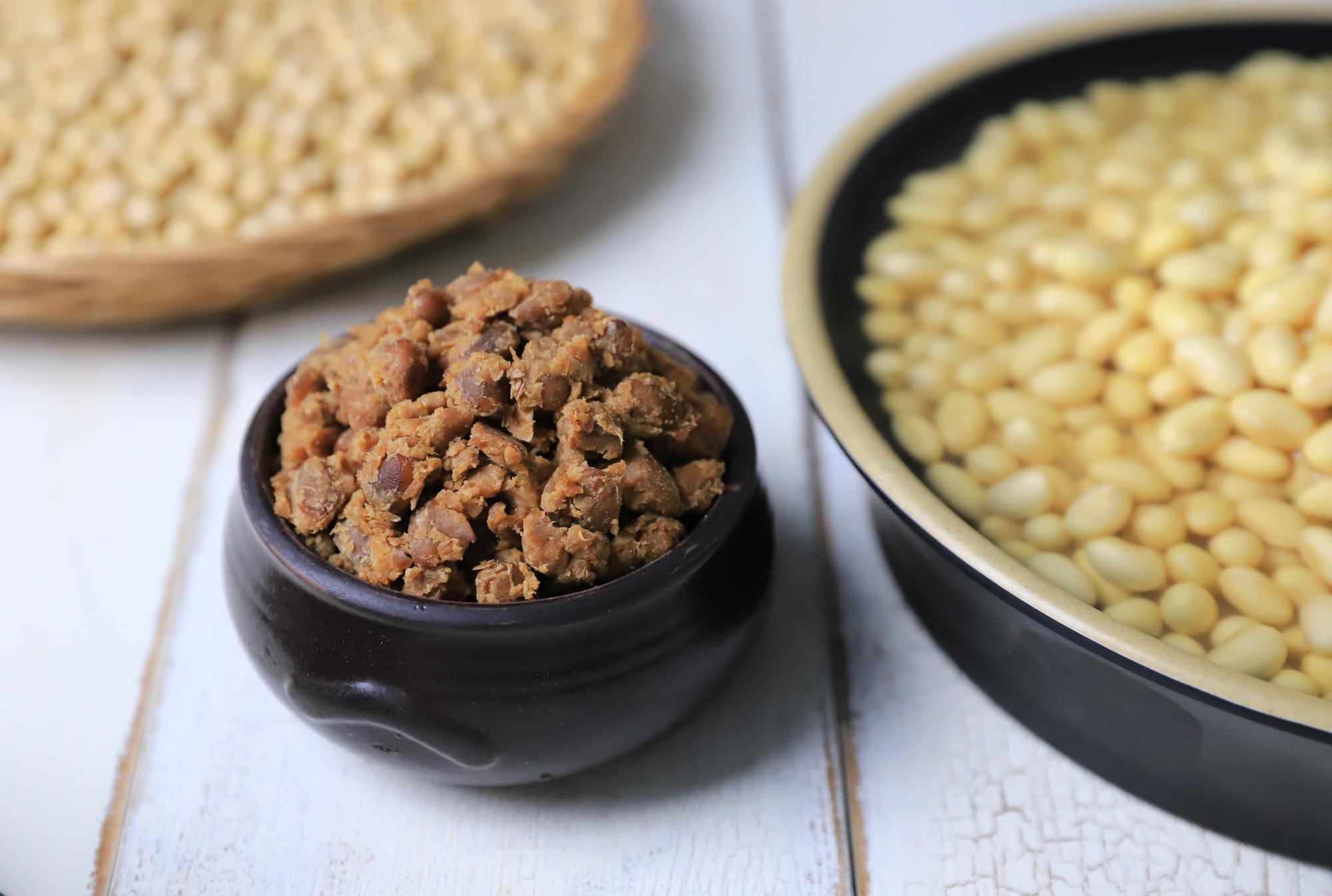
- Fermentation: Fermented foods like tempeh are easier to digest and have higher bioavailability.
- Cooking: Cooking increases the digestibility of proteins in beans and lentils.
Tips for an effective vegan protein diet
The success of a vegan protein diet depends on conscious food choices, the right combination of nutrients and timing of meals. We provide detailed tips to help you put together a diet that ensures complete protein consumption and supports optimal body function.
Combining foods for a complete amino acid profile
Complete proteins contain all nine essential amino acids, which are essential for muscle building, immune function and metabolism. Although most plant protein sources do not contain all of the essential amino acids, the following combinations can ensure a complete protein intake.
Examples of effective combinations:
Rice and beans: this is one of the most well-known vegan pairings, where beans are rich in lysine and rice contains higher amounts of methionine. This combination can be ideal for main meals such as rice one-dishes or burritos.
- Tip: Use brown rice and red beans for higher fibre and nutrient content.
Wholemeal bread and peanut butter: bread contains methionine and peanut butter contains lysine, so together they make the perfect snack or breakfast.
- Tip: Top it with fresh fruit, such as bananas or berries, for extra vitamins.
Hummus and wholemeal pita: The combination of chickpeas and whole grains also provides a complete amino acid profile.
Tip: Add fresh vegetables like cucumbers, peppers or spinach to your meal for a nutrient-rich meal.
Enriching foods with protein
For a more concentrated intake of vegetable protein, it is worth using techniques that increase the protein content of foods without adding too many extra calories.
Effective techniques:
Protein powder for smoothies: blend pea, hemp or rice protein powder into a fruit smoothie. This can be an ideal breakfast or post-workout snack.
- Tip: Make a smoothie with almond milk, banana, spinach and a tablespoon of nut butter.
Add chia and flax seeds: sprinkle chia or flax seeds on oats, salads or vegan yoghurt. They are rich not only in protein but also in omega-3 fatty acids.
- Tip: Soak chia seeds in vegetable milk and make chia pudding with cocoa powder and fresh fruit.
Using chickpea flour: Make a vegan omelette or pancake with chickpea flour. This is a high-protein, gluten-free option.
- Tip: Add spinach, tomatoes and peppers for extra flavour and nutrients.
Optimising meal timing
Spacing your daily protein needs with evenly spaced meals can help maintain energy, build muscle and aid recovery.
How to time your meals?
– Consistent protein intake throughout the day: It is advisable to plan smaller meals every 3-4 hours, each containing protein. This will help prevent hunger pangs and stabilise blood sugar levels.
- Tip: Keep vegan snacks such as seeds, energy bars or chickpea crisps with you.
– Protein consumption after exercise: Eat high-protein foods 30-60 minutes after exercise to aid recovery.
- Example: a pea protein smoothie, salad with tofu or tempeh.
More tips for a vegan protein diet
Eat fermented foods – Fermented foods such as tempeh and miso are rich in protein and aid digestion.
Aim for variety – Try a variety of legumes (e.g. lentils, beans, peas), grains (e.g. quinoa, buckwheat) and seeds (e.g. sunflower seeds, hemp seeds) in your diet.
Supplements – If you can’t meet your protein needs with food alone, use a reliable vegan protein powder or amino acid supplement.
With proper planning, a vegan protein diet can provide complete nutrition while supporting health and athletic performance. Using the tips above, you can easily create a balanced, protein-rich diet.
Whole week vegan protein-rich diet
Below is a varied and practical menu for a whole week, packed with plant-based, protein-rich foods. The meals are easy to prepare and the ingredients are readily available.
Monday
- Breakfast: Banana and peanut butter oatmeal
- Ingredients: oats, almond milk, banana, peanut butter, chia seeds
- Instructions: Cook the oats in almond milk, then stir in chia seeds and peanut butter. Top with banana slices.
- Lunch: Vegetable lentil soup
- Ingredients: red lentils, carrots, celery, onion, garlic
- Instructions: Cook the lentils with the vegetables until soft, and season with spices like turmeric and cumin.
- Dinner: Tempeh with vegetable rice
- Ingredients: brown rice, tempeh, broccoli, bell peppers, soy sauce
- Instructions: Sauté the tempeh, add steamed vegetables, and serve with brown rice.
Tuesday
- Breakfast: Berry smoothie with protein powder
- Ingredients: frozen mixed berries, almond milk, vanilla vegan protein powder
- Instructions: Blend all ingredients until smooth.
- Lunch: Quinoa salad with grilled vegetables
- Ingredients: quinoa, zucchini, eggplant, bell pepper, lemon juice
- Instructions: Cook the quinoa, grill the vegetables, then combine them with the quinoa and drizzle with lemon juice.
- Dinner: Red bean tacos
- Ingredients: tortillas, red beans, avocado, tomato, lettuce
- Instructions: Fill the tortillas with the red bean mixture and vegetables.
Wednesday
- Breakfast: Chia pudding with fresh fruits
- Ingredients: chia seeds, coconut milk, vanilla protein powder, fresh fruits
- Instructions: Mix the chia seeds, coconut milk, and protein powder together, then leave the mixture to set overnight. Serve with fresh fruits in the morning.
- Lunch: Chickpea curry with rice
- Ingredients: chickpeas, coconut milk, curry paste, brown rice
- Instructions: Prepare the curry by cooking the chickpeas with coconut milk and curry paste. Serve with brown rice.
- Dinner: Green pea soup with toasted bread croutons
- Ingredients: green peas, potatoes, onion, garlic, plant-based milk
- Instructions: Cook the peas, potatoes, onion, and garlic together. Blend into a creamy soup and serve with toasted bread cubes on top.
Thursday
- Breakfast: Almond vegan yogurt with muesli and seeds
- Ingredients: vegan yogurt, muesli, almonds, sunflower seeds, chia seeds, seasonal fruits
- Instructions: Layer the vegan yogurt with muesli, seeds, and fresh fruits of your choice.
- Lunch: Lentil spaghetti bolognese
- Ingredients: whole wheat spaghetti, red lentils, tomato sauce, garlic, onion, oregano
- Instructions: Cook the lentils, then mix them with the spiced tomato sauce. Serve with the cooked spaghetti.
- Dinner: Grilled tofu with mixed green salad
- Ingredients: tofu, arugula, spinach, cucumber, tomato, lemon olive oil
- Instructions: Slice and grill the tofu, then serve it on top of a fresh salad of arugula, spinach, cucumber, and tomato, drizzled with lemon-infused olive oil.
Friday
- Breakfast: Protein oat smoothie with peanut butter
- Ingredients: oats, almond milk, banana, peanut butter, chocolate-flavored vegan protein powder
- Instructions: Blend all ingredients together until smooth and creamy.
- Lunch: Thai red curry with tofu and rice
- Ingredients: tofu, coconut milk, curry paste, vegetables (broccoli, carrots, bell peppers), jasmine rice
- Instructions: Sauté the tofu, then add the curry paste and coconut milk. Stir in the vegetables and cook until tender. Serve with jasmine rice.
- Dinner: Chickpea sweet potato bowl with tahini sauce
- Ingredients: chickpeas, sweet potatoes, tahini, garlic, lemon juice
- Instructions: Roast sweet potato cubes and mix them with roasted chickpeas. Drizzle with tahini sauce and serve.
Saturday
- Breakfast: Oat pancakes with vanilla protein powder and berries
- Ingredients: oat flour, almond milk, vanilla protein powder, banana, maple syrup, mixed berries
- Instructions: Mix the ingredients together to form a batter, cook pancakes, and garnish with fresh berries.
- Lunch: Hummus pita bread with grilled vegetables
- Ingredients: whole-wheat pita, hummus, zucchini, eggplant, bell pepper, spinach
- Instructions: Spread hummus on the pita, then top with grilled vegetables.
- Dinner: Vegan chili beans
- Ingredients: red beans, corn, tomato sauce, onion, garlic, chili spice mix
- Instructions: Cook all the ingredients together and serve with brown rice or tortilla chips.
Sunday
- Breakfast: Green smoothie bowl
- Ingredients: spinach, banana, almond milk, vanilla protein powder, granola, mixed fruits
- Instructions: Blend the greens and fruits together, then top with granola and fresh fruits.
- Lunch: Grilled vegetable couscous salad
- Ingredients: couscous, zucchini, bell pepper, mushrooms, olive oil, lemon juice, parsley
- Instructions: Grill the vegetables, then mix with the couscous.
- Dinner: Eggplant vegetable casserole with bulgur
- Ingredients: eggplant, bulgur, tomato sauce, zucchini, vegan cheese
- Instructions: Layer the eggplant, zucchini, and tomato sauce, then bake with bulgur.
Common myths and misconceptions about plant-based diets
Myth: „Plant-based protein is not complete.”
Reality: This is a common misconception. While animal proteins are typically considered „complete” (containing all nine essential amino acids), many plant-based proteins are also complete. For example, quinoa, soy, and chia seeds contain all the essential amino acids. Even for incomplete proteins, combining different plant-based sources—such as beans and rice—can provide a full profile of essential amino acids. By consuming a variety of plant-based foods throughout the day, you can easily meet your protein needs.
Myth: „Vegans have trouble getting enough protein.”
Reality: With proper planning, vegans can easily meet their protein needs. Legumes, lentils, tofu, tempeh, seitan, quinoa, and edamame are all excellent sources of protein. In fact, a well-planned plant-based diet can provide all the protein the body needs for optimal health. According to the American Dietetic Association, a vegan diet can provide adequate protein intake as long as a variety of plant foods are consumed.
Myth: „You can’t get enough iron on a plant-based diet.”
Reality: While it’s true that plant-based iron (non-heme iron) is not absorbed as efficiently as the iron found in animal products, it is still very possible to meet your iron needs with a plant-based diet. Foods like lentils, chickpeas, tofu, quinoa, and spinach are excellent plant-based sources of iron. Additionally, consuming vitamin C-rich foods (like oranges, strawberries, and bell peppers) alongside iron-rich foods can enhance iron absorption.
Myth: „A vegan diet is automatically healthy.”
Reality: A vegan diet can be very healthy, but not all plant-based foods are nutritious. It’s possible to eat a diet rich in processed foods, refined carbs, and sugars while avoiding animal products. For a truly healthful vegan diet, focus on whole, minimally processed foods like fruits, vegetables, whole grains, legumes, nuts, and seeds. It’s essential to ensure that your diet is balanced and includes all the necessary nutrients such as vitamin B12, iron, omega-3 fatty acids, and calcium.
Myth: „Vegans are always deficient in calcium.”
Reality: Calcium is abundant in a variety of plant-based foods, including fortified plant milks, leafy greens (such as kale and collard greens), tofu, almonds, tahini, and broccoli. Vegans may need to ensure that they are consuming enough of these foods or taking fortified products to meet their calcium needs, but with proper planning, calcium deficiency is rare among vegans.
Myth: „Vegans have weaker bones.”
Reality: A plant-based diet can support strong bones if it includes adequate calcium, vitamin D, and other bone-healthy nutrients. Studies have shown that vegans can have similar bone density to omnivores when they consume enough calcium, vitamin D, and other nutrients essential for bone health. Regular weight-bearing exercise and vitamin D synthesis from sunlight also play a significant role in maintaining bone strength.
Myth: „A vegan diet is low in omega-3 fatty acids.”
Reality: Omega-3s, particularly ALA (alpha-linolenic acid), are readily available in plant-based sources such as flaxseeds, chia seeds, walnuts, and hemp seeds. While plant-based diets may lack the direct source of EPA and DHA (found in fish), the body can convert ALA into these important omega-3 fatty acids. Algal oil supplements are also available for vegans who want a direct source of DHA and EPA.
Myth: „Vegans need to supplement with protein powder to meet their needs.”
Reality: While protein supplements can be helpful for athletes or individuals with higher protein needs, most people on a well-rounded plant-based diet can easily meet their protein needs through whole foods. Foods like lentils, beans, tofu, and tempeh are rich in protein and can provide the necessary intake for most individuals.
Myth: „You have to eat a lot of soy to get enough protein.”
Reality: While soy products like tofu, tempeh, and edamame are excellent sources of protein, they are not the only options. Many plant-based protein sources such as legumes (chickpeas, lentils, black beans), nuts, seeds, quinoa, and seitan provide ample protein. A varied plant-based diet will offer all the protein you need, and it’s not necessary to rely heavily on soy.
Myth: „Vegan diets are expensive.”
Reality: While some vegan convenience products can be costly, a plant-based diet can be very affordable. Staple items like rice, beans, lentils, oats, and potatoes are inexpensive and form the foundation of a nutritious vegan diet. Seasonal fruits and vegetables, as well as frozen produce, can also help keep costs low.


